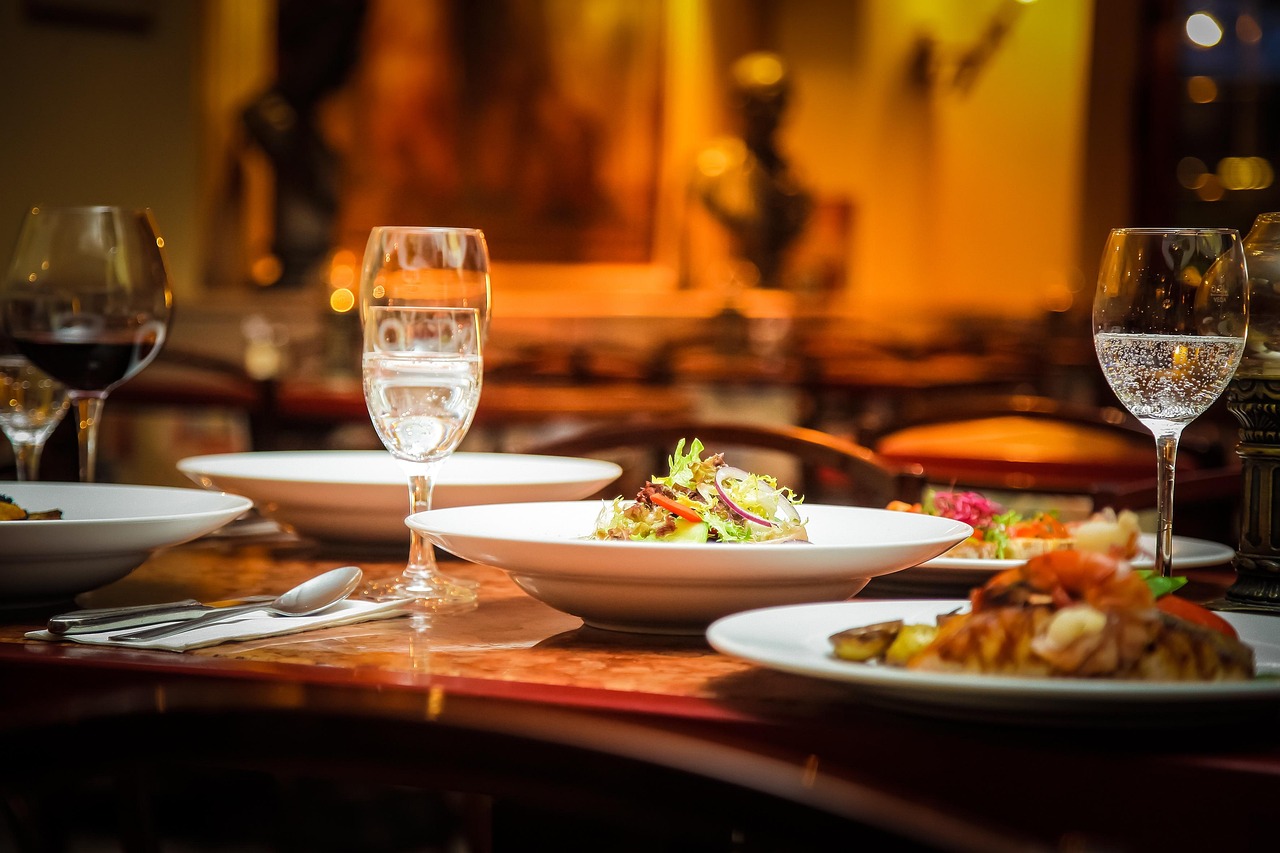

TL;DR: Boost your restaurant’s online visibility and attract local customers by implementing this comprehensive local SEO optimization checklist. From claiming your Google My Business profile to leveraging customer reviews, these strategies will help you rise above the competition and become the go-to dining destination in your area.
Introduction
In today’s digital age, having a strong online presence is crucial for restaurants wanting to attract new patrons and build loyalty among existing customers. Local SEO optimization checklist for restaurants isn’t just about ranking higher on Google Search; it’s about connecting with nearby diners when they’re ready to eat. By focusing on local strategies, you can transform your restaurant into the affordable eats nearby that people talk about.
Why Local SEO Matters for Restaurants
Before diving into our optimization checklist, let’s understand why local SEO is so important for restaurants:
-
Increased Foot Traffic: Local SEO helps potential diners discover your establishment when they’re searching for places to eat in your vicinity. This drives more foot traffic and potential customers right to your doorstep.
-
Better Customer Targeting: By optimizing for local keywords, you ensure that only those within a specific geographic area see your restaurant’s listing. This targeted approach is far more effective than casting a wide digital net.
-
Enhanced Credibility: Positive online reviews, high ratings, and a well-optimized Google My Business profile build credibility with potential diners. Customers are more likely to choose your restaurant when they know others have had positive experiences.
-
Cost-Effective Marketing: Local SEO leverages existing platforms like Google Maps, Yelp, TripAdvisor, and social media to reach new customers at no direct cost beyond your time and effort. This makes it a highly cost-effective marketing strategy for restaurants with limited budgets.
Local SEO Optimization Checklist for Restaurants: Step by Step
1. Claim and Optimize Your Google My Business Profile
Your Google My Business (GMB) listing is the digital equivalent of a storefront sign. It’s crucial for local SEO because it appears at the top of local search results, on Google Maps, and in relevant search queries.
- Claim Your Listing: If you haven’t already, create a GMB account and claim your restaurant’s existing profile. Verify ownership by either receiving a mail or using your website domain.
- Complete Profile Information: Fill out every section of your profile thoroughly, including business hours, menu highlights, photos, and descriptions that highlight unique selling points (USPs).
- Optimize for Local Keywords: Include location-specific keywords naturally in your GMB posting to help potential diners find you easily when searching for "restaurants near me."
- Respond to Reviews: Regularly monitor reviews and respond promptly to both positive and negative feedback. This shows potential customers that you value their input and are committed to providing excellent service.
2. Master Local Citations
Local citations are references to your restaurant on other websites, including local business directories, review sites, and industry-specific platforms.
- Identify Relevant Directories: Research online directories relevant to your area and industry (e.g., Yelp, TripAdvisor, Foursquare, Zomato, Yelp, Hotspot.com). Ensure your restaurant’s information is consistent across all of them.
- Claim Listings Where Applicable: Just as with GMB, claim your listings on these platforms and verify ownership where necessary. Complete profiles with accurate details and high-quality photos.
- Encourage Online Reviews: Don’t shy away from asking happy customers to leave reviews on platforms like Yelp, Google, and Facebook. Positive reviews not only attract new diners but also build trust in potential patrons.
- Keep Information Updated: Regularly review your listings across all platforms and update them as needed with new menu items, hours of operation, or any other changes at your restaurant.
3. Optimize Your Website for Local SEO
If you have a website (and you should!), it’s crucial to make sure it’s optimized for local search.
- Targeted Content: Create web pages focused on your location and specific services offered in your area. For example, a dedicated "About Us" page with a focus on your neighborhood or a special page highlighting local delivery options.
- Local Keywords in Title Tags and Meta Descriptions: Include location keywords naturally within your title tags, meta descriptions, header tags (H1, H2), and throughout your website content.
- Implement Schema Markup: Use schema markup to help search engines better understand your restaurant’s offerings and location. This structured data can lead to rich snippets in search results, showcasing your restaurant’s information in a more visually appealing way.
- Mobile Optimization: Ensure that your website is fully responsive and optimized for mobile devices since many local diners use smartphones to search for nearby restaurants on the go.
4. Leverage Social Media for Local Engagement
Social media platforms offer powerful opportunities to connect with local customers and build a loyal following.
- Identify Relevant Platforms: Focus your efforts on platforms where your target audience is most active, such as Facebook, Instagram, or Twitter.
- Promote Local Offers and Events: Use social media to announce special promotions, happy hours, live music events, or community partnerships that are relevant to nearby residents.
- Engage with Local Influencers: Partnering with local food bloggers or influencers can help expand your restaurant’s reach within the community while showcasing your cuisine to a new audience.
- Run Targeted Ads: Utilize social media advertising tools (e.g., Facebook Ads, Instagram Ads) to target specific demographics and locations within your service area, driving more interested traffic to your website or GMB listing.
5. Implement Strategies for Building Local Links
Backlinks from authoritative local websites can significantly boost your restaurant’s online authority and visibility in local search results.
- Partner with Local Businesses: Collaborate with complementary businesses in your area (e.g., hotels, tour operators, nearby attractions) to earn backlinks through mutual promotions or shared content.
- Contribute to Local Blogs: Offer to write guest posts for local food or lifestyle blogs, linking back to your website and enhancing your online presence within the community.
- Submit Press Releases: Announce major events, menu changes, or community involvement in press releases distributed through reputable local news outlets. This can earn valuable backlinks and media coverage.
6. Measure and Analyze Your Local SEO Success
Finally, tracking your progress is essential to understanding what strategies are working and where you need to improve.
- Monitor Key Performance Indicators (KPIs): Keep an eye on relevant KPIs such as website traffic from local search queries, click-through rates (CTRs) for GMB listings, online review growth, and social media engagement metrics.
- Use Analytics Tools: Utilize tools like Google Analytics to track visitors coming from your GMB profile or website, helping you understand which marketing channels are driving the most conversions.
- Adjust Your Strategy: Based on your data analysis, adjust your local SEO strategy accordingly, focusing on what’s working best and refining less successful approaches.
Conclusion: Attract More Customers with Local SEO Mastery
Implementing a comprehensive local SEO optimization checklist for restaurants isn’t a one-time task but an ongoing process that requires dedication and attention to detail. By claiming your online listings, optimizing your website and content for local keywords, leveraging social media engagement, building valuable backlinks, and consistently monitoring your progress, you can establish your restaurant as the go-to dining destination in your area. Remember, local SEO isn’t just about search rankings; it’s about connecting with your community and creating lasting relationships with potential diners.
