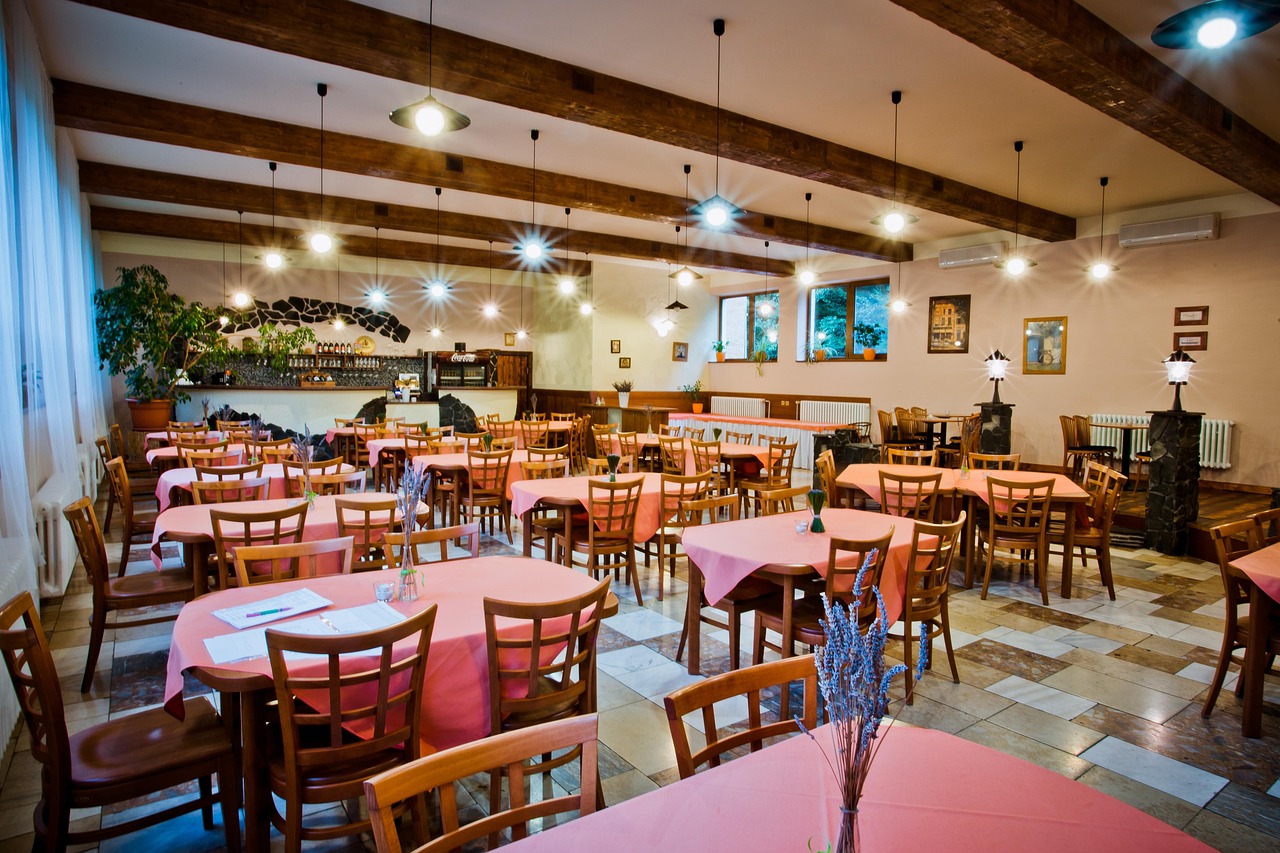
Elevate your restaurant's online presence and attract a steady stream of local customers by mastering local SEO optimization. This comprehensive checklist guides you through essential strategies, from claiming your Google My Business listing to creating compelling content that drives reservations.
Local SEO Optimization Checklist for Restaurants: Your Path to Local Dominance
In today's digital age, restaurants must go beyond word-of-mouth marketing to thrive. A robust local SEO strategy is crucial for attracting new customers and building a loyal following in your community. This detailed checklist will empower restaurant owners and managers to optimize their online presence, boost visibility, and increase reservations through effective local SEO tactics.
🌟 Why Local SEO Matters for Restaurants
Local Search Engine Optimization (SEO) directly impacts how easily potential diners can discover and choose your restaurant. It's a powerful tool to:
- Reach Targeted Customers: Connect with individuals searching for dining options near them, ensuring your restaurant gets noticed by the right audience.
- Build Trust and Credibility: Encourage positive reviews and online interactions to establish your restaurant as a trusted local favorite.
- Increase Foot Traffic: Optimize your online presence to drive more walk-ins and boost revenue.
- Compete with Nearby Restaurants: Outrank competitors in local search results, securing your place as the go-to dining destination.
🧭 Local SEO Optimization Checklist: Step by Step
1. Claim and Optimize Your Google My Business (GMB) Profile
Your Google My Business listing is the cornerstone of your local SEO efforts. It appears in relevant search results, Google Maps, and across Google's vast network.
- Claim Your Listing: Start by claiming your GMB profile at [www.google.com/business]. Verify ownership through your website, social media, or email.
- Complete Profile Details: Provide accurate information including restaurant name, address, phone number (NAP), operating hours, menu highlights, photos, and a compelling description that reflects your brand.
- Encourage Reviews: Actively solicit reviews from satisfied customers to build trust and boost your GMB rating. Respond promptly to all reviews, both positive and negative, demonstrating excellent customer service.
2. Master Your Website's Local SEO
Your website is a vital component of your local marketing strategy. Optimize it to rank highly in local search results:
- Local Keywords: Integrate relevant local keywords naturally throughout your website content, including "restaurant near me," "[City] dining," and neighborhood names. Use tools like Google Keyword Planner or Ahrefs to discover the most effective keywords for your target audience.
- Location Pages: Create dedicated location pages for each of your restaurant's physical locations. These pages should include specific NAP details, detailed descriptions, high-quality images, and unique content that highlights what makes each location special.
- Local Meta Tags: Ensure each page includes accurate meta titles and descriptions with local keywords, encouraging click-throughs from search results.
- Mobile Optimization: Make sure your website is fully responsive and optimized for mobile devices, as many potential diners use smartphones to search for restaurants.
3. Craft Compelling Online Menus
A well-designed online menu isn't just about displaying prices; it's an opportunity to engage customers and entice them to visit:
- High-Quality Images: Showcase your dishes with mouthwatering photos that highlight the flavors and textures, enticing diners to crave your creations.
- Description and Ingredient Information: Provide detailed descriptions that tell a story behind each dish, including ingredient sources or any unique preparation methods. Transparency builds trust.
- Call to Action: Include clear CTAs like "Order Now" or "Reserve Your Table" on menu pages to guide users towards the next step—either ordering online for takeout or making a reservation.
4. Leverage Online Review Platforms
Online reviews significantly influence consumers' purchasing decisions, especially when it comes to restaurants. Encourage diners to leave reviews on platforms like Yelp, TripAdvisor, and Google Reviews:
- Ask Politely: Include a link to your preferred review platform on your website, menu, and receipts, politely asking customers to share their experiences online.
- Respond Promptly: Regularly monitor and respond to all reviews, both positive and negative. Address concerns directly and professionally, demonstrating that you value customer feedback.
- Encourage Loyal Customers to Share: Offer incentives like discounts or loyalty program points for those who leave reviews, rewarding your most engaged customers.
5. Engage on Social Media
Social media platforms offer powerful tools for connecting with potential diners and showcasing your restaurant's unique personality:
- Choose Relevant Platforms: Identify which social media channels (Instagram, Facebook, TikTok) best reach your target audience and create engaging content tailored to each platform.
- Post Regularly: Share mouthwatering food photos, behind-the-scenes glimpses, special events, promotions, and customer testimonials to build a following and keep your audience engaged.
- Hashtags for Discovery: Use relevant hashtags on Instagram and other platforms to increase visibility and reach new audiences interested in local dining experiences.
6. Partner with Local Influencers
Collaborating with local food bloggers, vloggers, or influencers can amplify your restaurant's online presence:
- Identify Relevant Influencers: Research local influencers who align with your brand values and target audience. Look for those who frequently review restaurants or create content around dining experiences.
- Offer Complimentary Meals or Experiences: Invite influencers to dine at your restaurant and share their experience with their followers. Offer unique menu items or exclusive promotions to make their visit memorable.
- Track Results: Measure the success of influencer collaborations by tracking engagement (likes, comments, shares) on social media posts and any resulting reservations or sales.
🍴 Top Local SEO Tips for Restaurants: Go Beyond the Checklist
- Regularly Update Content: Keep your website and social media platforms fresh with new menu items, seasonal specials, events, and promotions to keep potential diners engaged.
- Utilize Local Listings Directories: Submit your restaurant to local online directories like Yelp, Foursquare, and Yellow Pages to increase visibility and encourage more reviews.
- Implement Structured Data Markup: Use schema markup to help search engines understand the important details on your website (e.g., menu items, availability), improving how your restaurant appears in search results.
- Offer Online Ordering and Reservations: Simplify the process for customers by allowing them to order food online, reserve tables, or book catering through your website or partner platforms.
🧾 Conclusion: Turn Online Visitors into Loyal Customers
Implementing a comprehensive local SEO optimization checklist is an ongoing process that requires dedication and adaptability. By claiming your GMB listing, crafting compelling online content, engaging with customers, and leveraging relevant platforms, you can establish your restaurant as a local favorite. Remember, the key to success lies in consistently providing exceptional dining experiences both offline and online.