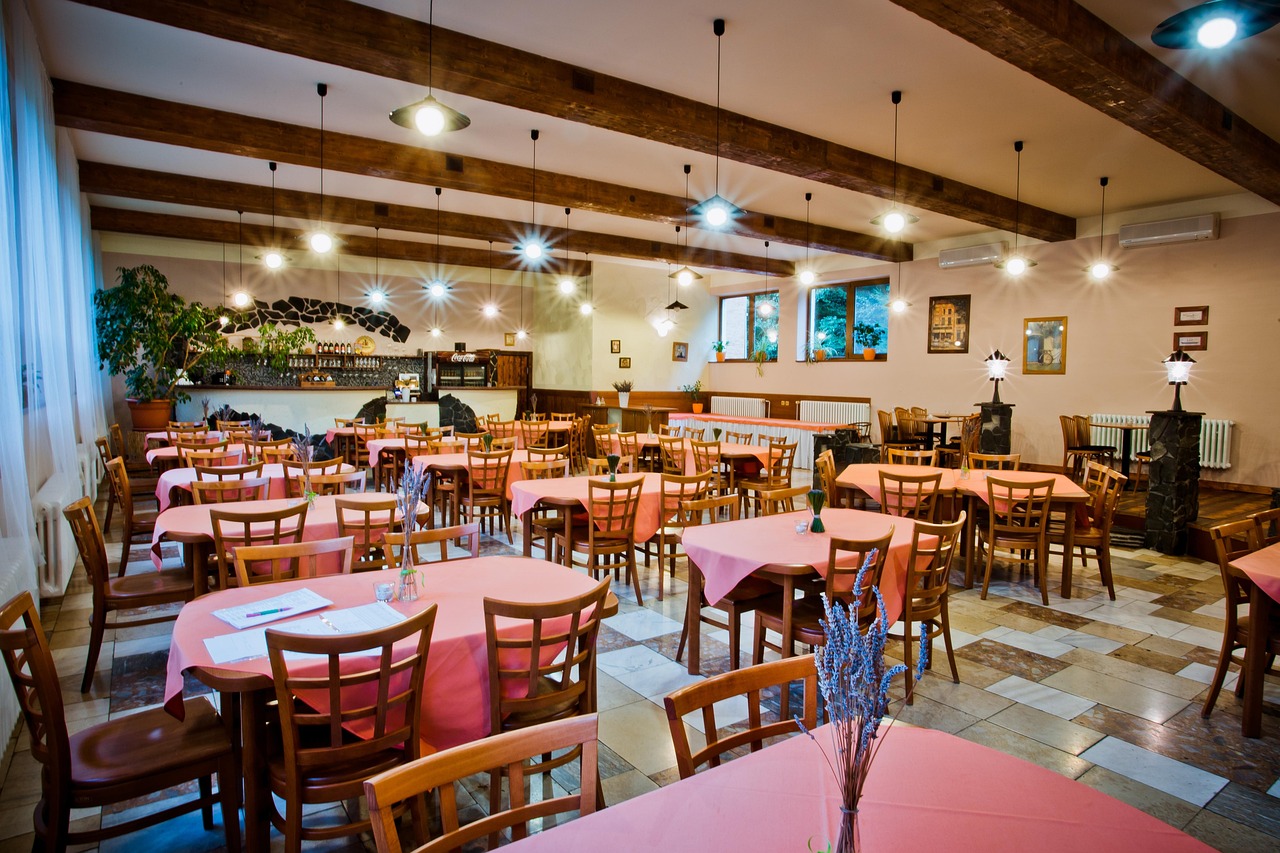
This comprehensive guide offers a detailed local SEO optimization checklist tailored for restaurants, focusing on strategies to enhance online visibility, attract local customers, and outshine nearby competitors, especially in the pizza joint market.
Local SEO Optimization Checklist for Restaurants: Unlocking Local Customer Base
Introduction
In today's digital age, restaurants need a robust online strategy to thrive, especially in a competitive local market. Local SEO (Search Engine Optimization) is a powerful tool to attract hungry customers searching for nearby dining options. This article provides an extensive checklist to help restaurant owners optimize their online presence, ensuring they appear at the top of local search results and attract more walk-ins. We'll also compare strategies to outrank nearby pizza joints, a popular local cuisine choice.
Why Local SEO Matters for Restaurants
Local SEO optimization is crucial for restaurants for several reasons:
-
Attracting Local Customers: Most people rely on search engines to find nearby restaurants, and optimizing for local search terms ensures your restaurant appears when potential diners look for dining options in their area.
-
Increasing Foot Traffic: A well-optimized local SEO strategy can drive more organic traffic to your restaurant, leading to increased walk-ins and higher revenue.
-
Beating the Competition: Local search results often display a map with various restaurants, giving you the chance to outrank nearby competitors, especially in niche markets like pizza.
-
Building Brand Awareness: Consistent local SEO practices enhance brand visibility, making your restaurant more memorable to potential customers.
Local SEO Optimization Checklist for Restaurants
1. Claim and Optimize Your Google My Business (GMB) Profile
Step-by-step Guide:
-
Claim Your Listing: Visit Google My Business and claim your restaurant's listing. Verify the listing by following the on-screen instructions, which may involve receiving a text or call.
-
Complete Profile Details:
- Business Name: Use your restaurant's official name.
- Description: Write a compelling, keyword-rich description highlighting your unique selling points, e.g., "Fresh, artisanal pizzas baked in a wood-fired oven."
- Address and Phone: Ensure these are accurate and display prominently on your website.
- Working Hours: Update this regularly to reflect actual opening times.
-
Add High-Quality Images: Upload appealing images of your restaurant, menu items, and ambiance to make your GMB listing stand out.
Best Practice: Regularly claim and update your GMB listing to keep Google informed about your restaurant's current status.
2. Optimize Your Website for Local Search
Website Optimization Tips:
-
Local Keywords: Incorporate location-specific keywords naturally throughout your website content. For a pizza restaurant, use terms like "best pizza near me," "pizza delivery [your city]," or "[city] pizza joint."
-
Page Titles and Meta Descriptions: Ensure each page has a unique, keyword-rich title and meta description that includes local references.
-
URL Structure: Use user-friendly, keyword-rich URLs that include your location, e.g.,
www.yourrestaurant.com/pizza-delivery-london. -
Local Landing Pages: Create dedicated pages for different locations or neighborhoods to provide hyper-local information and call-to-actions.
-
Mobile Optimization: Ensure your website is mobile-friendly since most local searches are performed on smartphones.
3. Build High-Quality Backlinks
Link Building Strategies:
-
Local Business Directories: List your restaurant on relevant local business directories like Yelp, TripAdvisor, Foursquare, and local city-specific directories.
-
Partner with Local Influencers: Collaborate with local food bloggers or influencers to gain backlinks and reviews from their websites.
-
Guest Blogging: Contribute articles to local food or lifestyle blogs, linking back to your restaurant's website.
-
Online Reviews: Encourage satisfied customers to leave reviews on Google, Yelp, and other platforms. Positive reviews with links can significantly boost your SEO.
4. Implement a Content Strategy with Local Focus
Content Marketing for Restaurants:
-
Blog Posts: Write engaging blog articles featuring local recipes, dining guides, or interviews with local food experts to attract an audience.
-
Location-Specific Offers: Create special promotions or discounts tailored to specific neighborhoods to encourage local customers.
-
Community Engagement: Participate in local events and share updates on your website and social media to build a connection with the community.
-
Regular Updates: Keep your website and social media profiles active with fresh content to keep your audience engaged and Google interested.
5. Leverage Social Media for Local Reach
Social Media Marketing Tips:
-
Local Hashtags: Use relevant hashtags specific to your city or neighborhood, e.g., #LondonFoodie, #ManhattanPizzaLovers, to increase visibility.
-
Engage with Local Communities: Join local Facebook groups or Instagram communities to promote your restaurant and interact with potential customers.
-
Location Tags: Tag your restaurant's location in posts to boost its visibility on social media platforms.
-
Encourage User-Generated Content: Ask customers to share their pizza photos with your restaurant's hashtag to create a buzz.
-
Offer Exclusive Social Media Deals: Run special promotions or giveaways to encourage local customers to follow and engage with your restaurant's social media profiles.
Comparing Pizza Joints: Local SEO in Action
Let's consider two fictional pizza restaurants in London:
Restaurant A: "Pizza Paradise" - A popular local chain known for its fresh, organic ingredients and unique flavor combinations.
Restaurant B: "Pizza Palace" - A newly opened, independent pizzeria offering classic Italian-style pizzas at affordable prices.
SEO Analysis:
-
Google My Business: Pizza Paradise has a well-optimized GMB profile with high-quality photos, regular business hours, and a detailed description highlighting their organic ingredients. Pizza Palace's profile is basic, missing key information, and has few images.
-
Website: Pizza Paradise's website is mobile-friendly, has clear navigation, and uses local keywords effectively. Pizza Palace's site is clunky, lacking local keywords and SEO best practices.
-
Online Reviews: Both restaurants have positive reviews, but Pizza Paradise has significantly more, including many from local food critics and influencers.
-
Social Media Presence: Pizza Paradise has a strong social media following with regular posts, while Pizza Palace's pages are inactive.
In this scenario, Pizza Paradise's superior local SEO efforts give them an edge over Pizza Palace, attracting more customers searching for high-quality, organic pizza in London.
FAQ: Local SEO for Restaurants
Q: How often should I update my Google My Business profile?
A: Update your GMB profile regularly, especially when there are changes to your restaurant's hours, menu, or contact details. Google values fresh information, and regular updates show your listing is active and accurate.
Q: Are local business directories still important for SEO?
A: Yes, directories like Yelp, Google Maps, and local city guides provide valuable backlinks and help consolidate your restaurant's online presence. They also impact local search rankings.
Q: Can user-generated content really impact my restaurant's SEO?
A: Absolutely! User-generated content, like customer photos and reviews, adds social proof to your online profiles and boosts your local SEO. Encourage customers to share their experiences to increase visibility and build trust.
Q: How do I know which keywords to target for my local restaurant?
A: Research keywords using tools like Google Keyword Planner or SEMrush. Identify terms local customers use when searching for restaurants, focusing on location-specific and menu-related keywords.
Conclusion
Implementing a comprehensive local SEO optimization checklist is essential for restaurant owners aiming to dominate local search results. By claiming and optimizing your Google My Business profile, creating a website tailored for local customers, building high-quality backlinks, implementing a content strategy, and leveraging social media, your restaurant can attract a steady stream of local diners. Stay consistent, monitor your progress, and adapt your strategies to outshine competitors, ensuring your pizza joint becomes the go-to local dining destination.